Anne Arundel County, Maryland

If your dog could talk, it wouldn't ask for more walks.
It would ask for one real run.

My job is simple — bring out the happiest, most complete version of your dog.

30-minute sessions
Flexible pickup
Structured dog running
Dog running at full stride

Imagine your dog coming home and simply lying down. Settled. Quiet. Not worn out — but finally done with the day because something the walk could never quite reach has finally been given. The tension on the leash begins to ease. The dog you always knew was in there — calmer, more itself — starts showing up. Not after months of training. After the right kind of run.

The Origin

What I saw that I couldn't unsee.

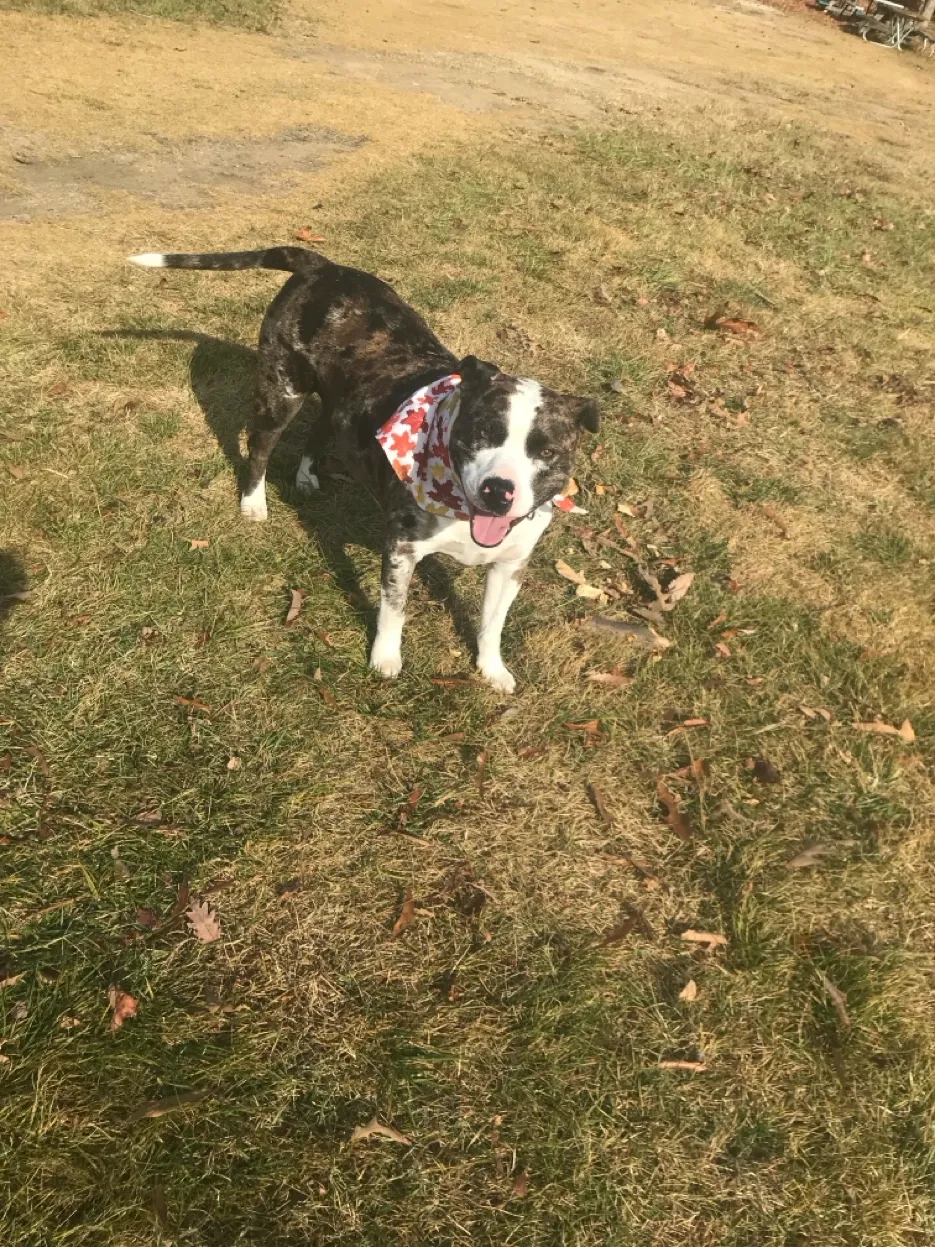
Dutches was like most dogs. Full of energy. Always ready for more. She was loved completely — walked every day, never short of attention, part of everything we did. And yet something never quite resolved. The restlessness in the evenings. The inability to simply lie down and stay there. The tension on the leash that never fully softened, no matter how many careful walks we took.

I'd quietly accepted it as just the way she was.

It wasn't.

Then I started taking her on my Onewheel rides. Not as an experiment — just because it made sense. She needed to move, the board could match whatever pace she wanted, and we were already out there.

What came home after those first sessions was a dog I recognized but hadn't fully seen before.

Some needs don't announce themselves. They just quietly shape everything around them — the mood, the restlessness, the inability to settle — until the day they finally get met. And then something changes that doesn't go back.

The evenings changed. The barking settled. She'd lie down and actually stay there. I hadn't changed her food, her routine, or anything else about her day. Just the run.

Later — after weeks when life got in the way and the runs didn't happen — the change held. She still wanted to run. But she didn't need it to be herself.

That's when I understood something. We domesticated dogs thousands of years ago. We gave them our homes, our food, our love. But we never gave them the one thing their bodies were actually built around. The run.

Most owners try. We walk them. We throw the ball. But our legs aren't fast enough and our schedules aren't consistent enough to give them what they actually need.

What I found with Dutches — and confirmed in the dogs that followed — is what VitalHound exists to give yours.

Dog running freely outdoors
Core Idea

Everything the walk gives. And the one thing it never does.

Dogs have been loved for thousands of years. They have been run for almost none of it.

The walk filled that gap as best it could. And it still matters. But walks are genuinely valuable — and they are not enough. Not because you are doing something wrong. Because a walk rarely reaches the threshold where a dog's body and nervous system actually adapt. No matter how long, no matter how often. What happens at that threshold — physically and behaviorally — is what this service is built around. The difference is not a matter of degree. It is a matter of kind.

What the walk covers
Outdoor time, fresh air, the daily rhythm
Territory, sniffing, sensory engagement
Physical relief — the practical daily necessity
Bonding and time together outside
Low-intensity movement — valuable and real
The foundation every dog needs
What VitalHound adds
Everything the walk covers — plus:
Sustained cardiovascular effort the body actually adapts to
Freedom to follow instinct — scent, terrain, speed
The instinct to run finally gets expressed, not redirected
The dog that comes home is expressed, not just tired

What conditioning actually means

A body that works regularly becomes a different body — and the changes show up in months, not years.[1]

Modest input. Disproportionate return.

The research used twice-weekly sessions of ordinary duration and found meaningful results.[1] For most dogs, that frequency is where real adaptation takes hold — though even a single weekly session produces changes worth having. The capacity was always there — the sessions do not create it, they call on it.

The Science

The body responds to real work.

Four findings — from independent studies — that explain why consistent running changes dogs physically and behaviorally, and why modest frequency is enough to produce measurable results.

8 wks
Duration of twice-weekly sessions that produced significant body condition improvement with no diet changes.[1]
Scientific Reports 2024
12/12
Breeds where overweight condition predicted shorter lifespan. Every single one. No exceptions.[2]
Salt et al. 2019
Dogs showing addiction-like fetch fixation. The prey drive activates. The cycle rarely resolves on its own. Running helps.
Scientific Reports 2025
4,500
Dogs in a Finnish population study linking low exercise to higher rates of compulsive and anxious behavior.[4]
Scientific Reports 2022
Exercise Frequency vs Compulsive Behavior — 4,500 Dogs
0% 20% 40% 60% 80% No exercise Occasional 1x/week 2x/week Daily 62% 48% 34% 22% 18%
Source Links
Physical & Mental

Two systems. Both require real work.

Running does two things for a dog at the same time. It changes the body, and it changes the internal state that drives behavior. These are not separate effects — they arrive together, from the same process, expressed differently.

The Physical Case

What a workout does to the body over time

Dogs are built to move. Their ancestors ran prey across open terrain — that capacity still exists in every dog alive today. Domestication changed almost everything about the wolf. What it did not change is the drive to run — and the need to do it alongside others.[8] That drive is not learned. It is what dogs are.

When that system is consistently engaged, the body responds. The cardiovascular system adapts structurally — resting heart rate drops, cardiac output improves.[7] Lean mass builds while fat reduces.[6] The body composition that predicts a longer life is difficult to achieve through diet alone — it requires the kind of sustained muscular work that real running produces.[2]

Even modest frequency is enough. Controlled research has shown that twice-weekly sessions of ordinary duration produce measurable improvements in body condition within eight weeks, with no changes to diet.[1] The capacity for this adaptation was always present. The sessions do not create it — they call on it.

The calm that follows a genuine run is biochemically different from tiredness.[5] It does not come from exhaustion — it comes from completion.

The Mental Case

What happens inside the dog — during, after, and in the days that follow

The physical benefits of running are immediate and measurable. The mental effects are more layered — and more lasting.

During sustained aerobic effort, the body undergoes a measurable neurochemical shift. Beta-endorphins and cortisol rise together during high-intensity work, then decline during recovery as the effort completes.[5] This activation-to-resolution cycle is not incidental — it is the mechanism. The nervous system moves from arousal to a regulated, settled state. That transition is what owners describe when they say the dog came home different.

Most owners believe they have already tried more exercise. Fetch, backyard play, long walks. They have not tried this. Real running is not more of the same — it is categorically different. Fetch creates a rapid dopamine spike that depletes almost immediately — the system activates but the cycle never fully resolves.[3] Running at real sustained intensity completes the cycle. The difference is not in how tired the dog is. It is in whether the cycle was allowed to finish.

The neurochemical effects do not peak immediately after the run. BDNF — the protein responsible for brain plasticity and neural adaptation — continues to increase for 48 to 72 hours following sustained aerobic effort. This is why dogs often appear noticeably different two or three days after a session, not just the day of. Sessions spaced every three to four days are timed to reach the dog at the peak of the previous run's neurochemical effect.[5]

With consistent sessions, something deeper begins. Neural pathways associated with calm, regulated behavior strengthen over time.[4] Cortisol baselines lower. Reactivity decreases. The behavioral shift that owners begin noticing after two to three months of consistent running is not coincidence — it is the brain adapting to a cycle it has now completed repeatedly.

Something else happens that owners often notice but rarely expect: the dog begins to anticipate the run. Research has documented measurable cortisol changes in dogs in anticipation of exercise — the body preparing for something it has learned to expect and value.[9] Dogs that have found this rhythm carry themselves differently not just after sessions, but in the days between them. It is a dog whose most fundamental need is being met consistently, and whose system has learned to orient toward it.

Population-level data confirms what individual observation keeps showing. In a study of over 4,500 dogs, lower exercise frequency was directly associated with higher rates of compulsive and anxious behavior across breeds.[4] The behavioral problems most owners attribute to personality or temperament are, in a significant proportion of cases, the downstream expression of a cycle that has never been allowed to complete.

The first run begins a shift that peaks in the days that follow. A consistent rhythm over two to three months changes who that dog is.[4] Most dogs that find this rhythm keep it — not because owners push for it, but because the dog makes the case on its own.

01

A stronger heart

With consistent running, the cardiovascular system tends to adapt — resting heart rate drops, endurance builds. The dog that runs regularly is often physiologically different from the one that only walks.

02

A leaner body

Sustained muscular effort builds lean mass and reduces fat in ways that diet changes alone rarely achieve. Body composition tends to shift over weeks of consistent sessions.

03

A calmer dog at home

Many owners find the evenings change first. Less restlessness, less barking, more ability to simply settle. The underlying need is physical — and when it is consistently met, the behavioral expression tends to follow.

04

Less reactive on the leash

Dogs that run regularly often carry less tension into their walks. The reactivity that owners had come to manage — toward other dogs, strangers, passing cars — can ease as the baseline stress level comes down.

05

More confidence in the world

Dogs that have been genuinely exerted tend to carry themselves differently — at the vet, around new people, in unfamiliar environments. Real physical effort can build a kind of groundedness that shows up everywhere else.

06

More years. Better ones.

A body that works regularly, carries appropriate mass, and has a nervous system that completes its cycle — tends to age better. The investment shows up not just in behavior but in longevity.

What owners report

What changes at home.

At home

Calmer evenings. Less barking, less jumping, more ability to just be. The dog that comes home after a run has had something real met — and it shows in every hour after.

Training

Focus sharpens noticeably. Dogs that struggled to hold attention during training sessions become significantly more responsive after consistent running.

Confidence

Dogs that arrived uncertain or reactive out in the world carry themselves differently. Confidence built through real exertion shows up everywhere else.

Physical condition

Pads toughen. Nails wear naturally. The body that works regularly on real surfaces maintains itself in ways indoor life alone cannot produce.

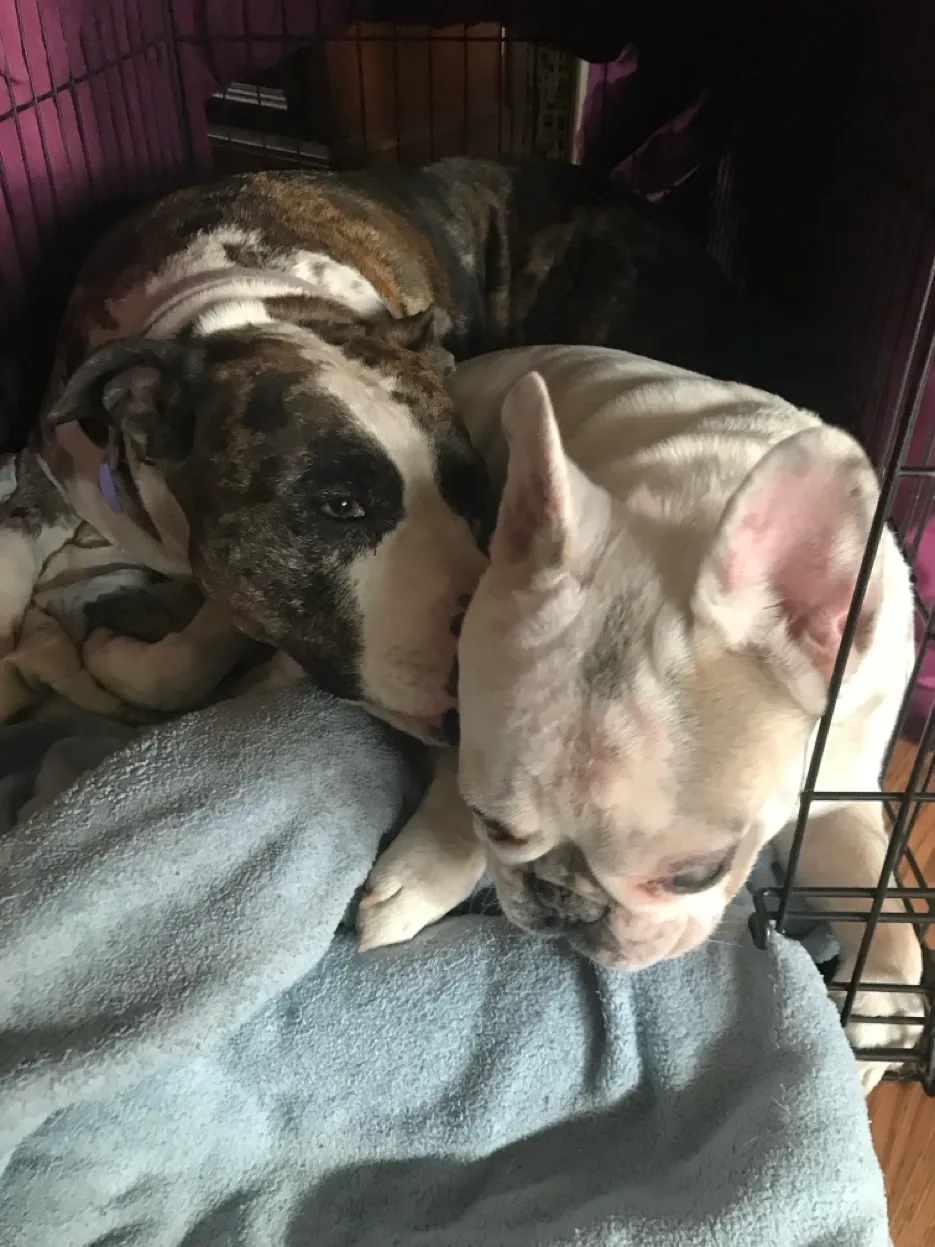
Two dogs resting together after a run

Happy couple.

How It Works

A simple process. An individualized workout.

Every dog is different. Five steps from first meeting to ongoing sessions, with everything built around what works for that particular dog.

00

The Consultation

Before anything runs, a relationship is built. The consultation happens on the dog's own turf — no board, no agenda, no pressure. A fenced backyard is ideal. The goal is a natural walk together, and that walk only happens when the dog is genuinely comfortable. Most dogs are ready after one visit. Some need two or three. Nothing is charged until the fit is genuinely established.

01

The Run

The relationship is established. Running is the natural continuation of it. Sessions begin at full pace, calibrated to the individual dog from the first stride — its breed, fitness, and temperament already known. The handler reads the dog continuously throughout: breathing, stride, body language. Pace follows the dog, not a preset number. Every dog runs on a properly fitted harness — collar-only is not safe at running speed, and a harness allows full freedom of movement without strain.

02

Route Selection

The preferred route runs directly from the dog's home — neighborhood roads and quiet sidewalks the dog already knows. No driving, no handoff logistics, no disruption to the dog's sense of place. Where the immediate environment doesn't allow for safe running, sessions move to the nearest suitable area — a park, a trail, open ground. Owners can also choose to meet at a location that works for them. In established relationships, with the right dog and explicit owner approval, off-leash running becomes possible — terrain and temperament permitting. It is not the default. But when conditions allow, it is the closest thing to what dogs were built for.

03

Pickup & Dropoff

Sessions are built around the owner's schedule. Some provide home access — a key or door code — so runs happen seamlessly during the workday. Others prefer a door handoff, or meet at the session location when that suits better. Whatever arrangement fits the household becomes the arrangement. It settles into a rhythm without effort. The logistics become invisible.

04

Session Summary

After every run, owners receive route data, a speed graph, and a brief written update on how the dog moved and responded. A record of what happened — and over time, a record of a dog changing. The pace climbing. The recovery shortening. The dog that used to hold back now surging forward.

The Technology

Why a Onewheel. And why it works.

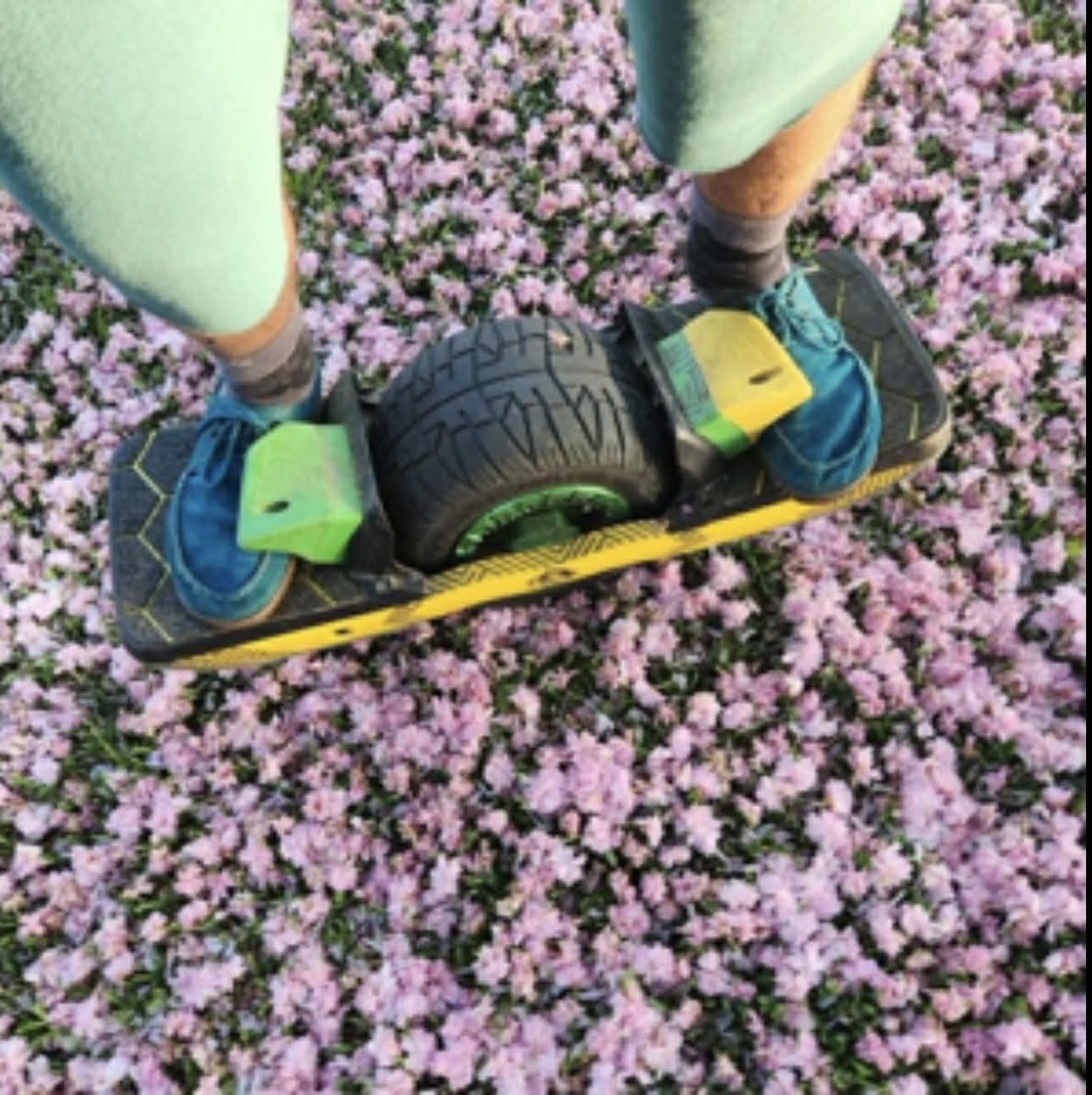
The Onewheel is a single-wheeled self-balancing board controlled entirely through body weight — no handlebars, no steering mechanism, no remote. Shift forward and it moves. Shift back and it slows, stops, then reverses — in the same fluid motion, without turning around. The rider simply keeps shifting weight rearward past the stop point and the board starts moving the other direction. That reversibility means the handler can follow a dog's instinct in any direction, on any path or sidewalk, without breaking the dog's rhythm.

Because the board demands no hands to operate, both hands are fully available for the leash — and that changes the dynamic for the dog. A cyclist needs to steer. A runner has to manage their own pace. Here, the handler's complete attention and both hands stay on the dog at all times. The dog gets both hands, full attention, and a handler whose focus is not split by handlebars or pace management.

The skill required to ride this way is real and worth naming. Fluid movement at the pace a dog wants to run, on neighborhood streets and quiet sidewalks, while managing a leash, in varying conditions — that takes genuine experience. The 70,000+ miles behind this service is what makes that level of control feel unremarkable.

The practical advantage

No handlebars. No steering. Both hands on the leash. And fast enough to comfortably match the dogs this service is built around.

Field validation

Others running dogs this way have built full-time practices around it — consistent clients, real demand, and a model that holds.

Neighborhood running environment
Where This Goes Over Time

The goal is not a pace. It is a direction.

Sessions do not run at a fixed speed. They follow the dog — bursts of real effort, natural recovery, another surge. That interval pattern is not a workaround. It is the mechanism. The body adapts to repeated stress and recovery,[1] and a dog that sprints, pulls back, and sprints again is doing exactly what its physiology was built to respond to.

Where a dog starts depends entirely on breed and individual fitness. Most companion dogs settle into a comfortable pace of 5 to 8 mph with natural burst speed reaching 12 to 18 mph. High-drive working and sporting breeds can push 20 to 25 mph in short surges. Small and low-drive breeds sit well below all of this — and that is completely fine, because the principle is identical regardless of the numbers: find the edge of comfortable effort and work just past it.

With consistent sessions, something measurable shifts. The bursts get slightly faster. Recovery between them shortens. The pace the dog can sustain without laboring climbs. No session pushes past what the dog can handle — the goal is always the next threshold, not the ceiling. Reading that in real time, adjusting continuously, knowing when to hold the pace and when to ease off: that is the skill that makes this safe and effective over time.

Typical Speed Ranges by Breed Category (mph)
Trot pace Working run Peak burst 5 10 15 20 25 30 mph High-athletic Medium companion Small & low-drive 10 18 28 6 11 18 4 7 10

Trot pace · Comfortable working run · Peak burst speed. Individual dogs vary. Age, fitness, and health all influence where a dog falls within each range.

Safety

Careful, layered, and built into every session.

Every owner who books can rely on the same things: a dog that runs on a harness, not a collar; a handler whose hands are never divided; and routes chosen for the dog's conditions that day. These are not policies that get followed when convenient. They are the structure every session is built around.

Running a dog at speed is not about reacting — it is about reading ahead. The dog runs freely because the handler is always two steps ahead.

Dogs run on harnesses, not neck collars. A harness spreads force across the chest and shoulders, allows completely natural movement, and keeps control without any strain on the throat during sustained effort.

Routes are chosen for low traffic, environment quality, and what suits the individual dog on that day. Heat is the most significant concern at high intensity[5] — sessions are not run in conditions where it creates real risk.

No dog is pushed past what it can handle. First aid supplies are always on hand. VitalHound operates with general liability insurance covering every session.

Harness, not collar — pressure across the chest, never the throat
Route selection — safe, appropriate, environment-matched
Consultation first — relationship established before any session begins
Pace adjusted continuously based on the dog's real response
Weather and temperature thresholds strictly observed
Pricing

Built around consistency.

A regular rhythm of real running — whatever fits the dog and the household — produces results that build over time. For most dogs, the benefits carry between sessions — not just during them. Every new relationship begins with the dog leading the way — the introduction process exists to find the right fit, on the dog's terms.

You don't pay for 30 minutes. But for a fulfilled dog — 24/7.

Single Run
$60
30 min · pace-calibrated
Breed and fitness matched
Route and speed data
Written session update
RunPack 4
$220
$55 per session
All single-run features
Flexible scheduling
Progress notes across runs
Save $20 vs single
Overnight Boarding
$80
Established clients · per night
One full run included
Private home environment
Backyard · water access · dog beach
Someone the dog already knows

VitalCredits — Every RunPack 8 earns one VitalCredit. Two credits earns one free overnight boarding stay, including the run that comes with it.

First session — Every relationship starts with a free consultation. Most dogs are ready after one visit. Some need two or three. The first run happens only when the dog is genuinely comfortable and ready — and nothing is charged until it does.

About the Founder

Built by someone who loves dogs.

Outdoor environment where VitalHound sessions take place

Not a hobby. A way of life that became something more.

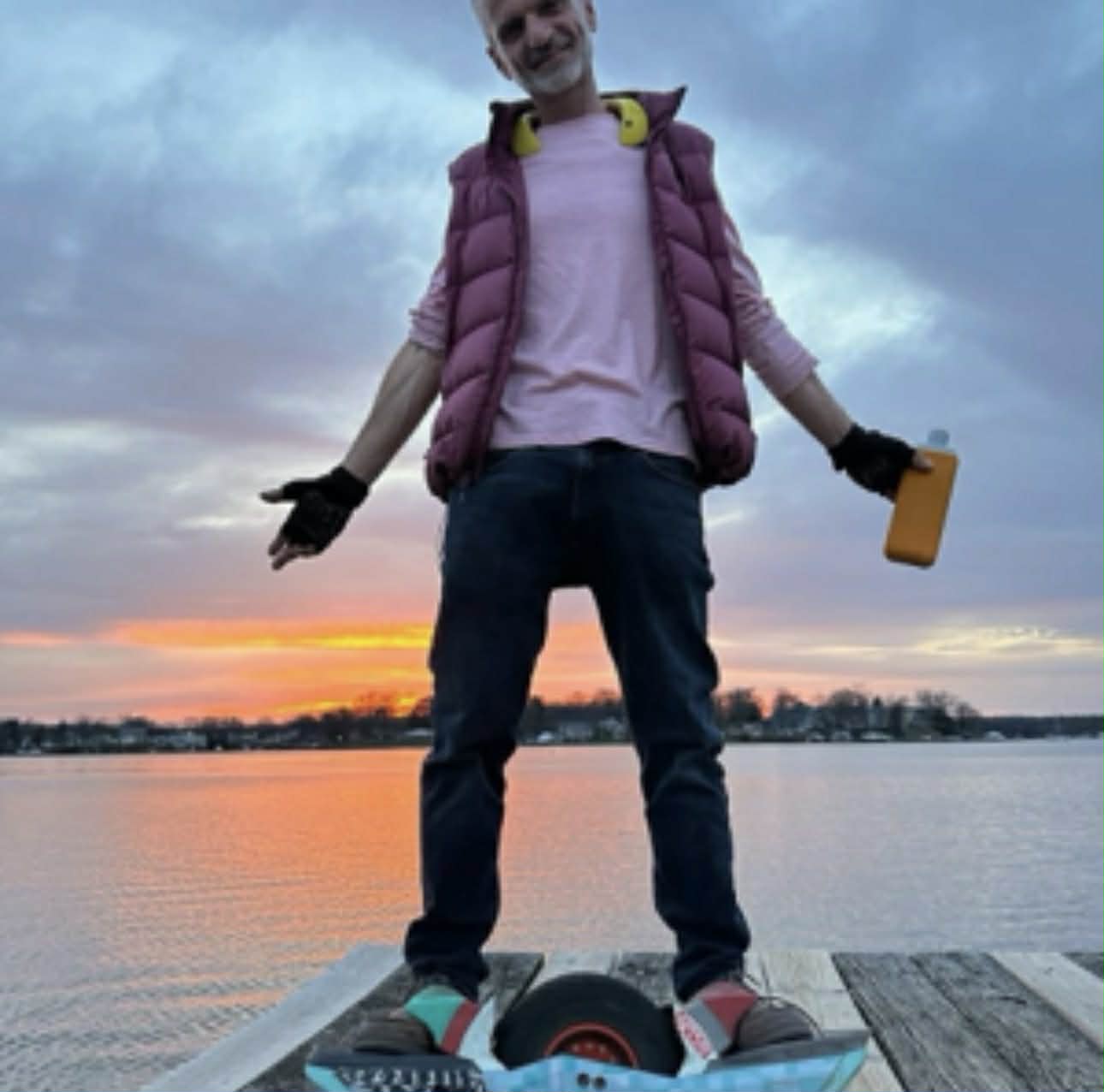
The Onewheel is not a novelty here — it is a tool I have taken seriously for years. Over 70,000 miles logged, with a documented world record of 300 miles ridden in a single day. Very few riders operate at this level — safely, consistently, with dogs, in real conditions. That depth of experience is what makes running a dog at real pace feel controlled rather than precarious. My attention stays entirely on the dog because the board requires none of it.

Before VitalHound, I spent years in corporate finance and operations — managing complex systems, accountability structures, and professional responsibility at scale. That career led to a management role at the Transportation Security Administration — a position that required a federal background investigation and a level of accountability I still carry into this work.

The approach to safety underlying every session here predates VitalHound by years. Stoked — the first comprehensive safety guide written for the global Onewheel community — grew from deep engagement with riders worldwide and a conviction that the sport deserved a serious framework. That same judgment about risk, terrain, pace, and conditions shapes how every session here is built and how every dog is read.

The board also makes it possible to give something back. One Bag Per Day — picking up litter on the roads, trails, and sporting complexes where I ride — is a practice the Onewheel makes unusually efficient. What takes a pedestrian an hour takes me ten minutes. The goal is simple: leave the places I ride litter-free and more enjoyable for everyone. What makes it worth continuing is doing it where people can see it — and occasionally watching a kid think twice before dropping something. That ripple is the point.

What running does to a body is not theoretical for me. I lost over 80 lbs through consistent riding — before any of this became a service.

The board changed my life before it started changing dogs' lives.

What Owners Say

The dogs speak through their owners.

"Athena — our Rottweiler — was a handful with energy. I knew that going in. But honestly the evenings were rough — she just couldn't wind down. We tried a few runs and I noticed pretty quickly she was coming home different. Calmer. Not wiped out, just... done. Like she finally got what she needed. Training has been way easier since. I wasn't expecting it to make that much of a difference but it really did."

Jennifer, Athena's owner — Pasadena, MD

"Ioda had put on some weight and I knew it was bothering her. She's older and I didn't want to overdo it. The pace was always adjusted to what she could handle — never felt like she was being pushed. A few weeks in she started moving better and you could just tell she felt better. She's leaner now and a lot more comfortable. Really glad we did it."

Joanne, Ioda's owner — Lake Shore, MD
FAQ

Common questions.

Direct answers to what owners ask most before the first run.

Many so-called difficult dogs are dogs whose needs have not yet been fully met.

Is this the same as dog walking?
No — and the difference matters. Walks are genuinely valuable. They handle routine, stimulation, fresh air, the daily necessities. VitalHound does not replace any of that. What it provides is something a walk rarely reaches — sustained cardiovascular effort at the intensity where the body actually adapts.
How fast do dogs actually run during sessions?
Sessions are not run at a fixed pace — they follow the dog's natural rhythm of surges and recovery, which is the pattern that produces real aerobic adaptation. Most companion dogs settle into a comfortable pace of 5 to 8 mph and produce natural burst speeds of 12 to 18 mph. High-drive working and sporting breeds can push higher in short surges. Small and low-drive breeds sit well below these ranges, and sessions are calibrated accordingly. The Onewheel can match any speed a dog produces, so the handler's only job is reading the dog — not managing the equipment.
What does the introduction process look like?
Every relationship starts with a free consultation. Most dogs are ready after one visit. Some need two or three. No board, no agenda — just time together on the dog's own turf. A fenced backyard is ideal. The goal is a natural walk together, and that walk only happens when the dog is genuinely comfortable. The first run follows from there, and nothing is charged until it does.
How often should a dog do this?
Honestly, the dog tends to answer this question better than any schedule does. The handler reads the dog — energy level between sessions, enthusiasm at pickup, how quickly they recover. Some dogs thrive on twice a week.[1] Some are genuinely well-served by once. What matters is that the sessions are real, and that the rhythm is consistent enough for the body to adapt.[4] Pushing beyond what the dog needs serves nobody. The goal is the right fit, not the most sessions.
Is this safe?
Safety is the foundation here, not an afterthought. Sessions use harnesses instead of neck collars, carefully selected routes, and continuous pace adjustment. Because the Onewheel needs no hands to operate, the handler's full attention stays on the dog the entire time — something most running setups are not designed to offer.
What types of dogs are a good fit?
Most healthy adult dogs are excellent candidates. Flat-faced breeds like Bulldogs and Pugs need extra care due to breathing limitations at high intensity. Dogs with known heart or joint conditions should have veterinary clearance first. Dogs that seem high-energy, reactive, or hard to settle are often among the most enthusiastic participants of all.
My dog is reactive and hard to manage. Is this right for them?
Reactive dogs are often among the best candidates.[4] Many dogs that owners describe as anxious or hard to manage are simply dogs whose need to run has never been met — and a dog whose needs are met tends to settle on its own, without training, without intervention. That said, the introduction process exists precisely for this: it is the dog that decides whether the fit is right, not the handler. Some dogs warm up in one visit. The ones that take longer often turn out to be the most enthusiastic runners once the relationship is established.
Is my dog on a leash the whole time?
Yes — dogs run on leash throughout every session, on a harness rather than a collar. In established relationships where off-leash terrain is available legally, dogs may run free.
How do I know my dog won't be pushed too hard?
Knowing when to ease off, when to push, and when a session is done is a skill built through experience. First aid supplies are always on hand. No dog goes past what it can handle.
Where do sessions take place?
Most sessions run directly from the dog's home — neighborhood roads and quiet sidewalks. Parks and natural settings are used when they are genuinely close. The environment supports the workout — the workout does not depend on a specific setting.
How does dog pickup and handoff work?
Pickup works around whatever arrangement suits the owner. Many clients provide home access — a key or a door code — so the session can happen during the day while they are at work or out. Others prefer a handoff in person: early morning before leaving, during the day, or in the late afternoon when they return. Every arrangement is worked out individually at the start and adjusts naturally as the relationship develops.
Can I trust my handler with access to my home?
That is a fair question and one worth answering directly. I come from a career in corporate finance and operations, followed by a management role with the Transportation Security Administration — a position that required a federal background investigation and a level of accountability I still carry into this work. Home access — a key or door code — is offered as a convenience once the relationship is established, and treated with the same standard that role demanded.
How do I prepare my dog for a session?
One thing matters most before a session: no food for at least two hours before the run — a full stomach and sustained effort at speed do not mix well, and the risk is real. Beyond that, a properly fitting harness is required — collar-only is not safe at running pace. If the dog does not have one, a loaner can be provided for the first session while the owner sources their own.
Does my dog need a special harness?
A proper fitting harness — one that restrains reliably across the chest and shoulders — is required for every session. A standard collar alone is not appropriate for sustained running at speed; the force distribution is wrong and the risk of injury or escape is real. No specific brand is required, but the harness needs to fit well and hold under real exertion. A loaner harness is available for the first session if needed. Dogs that are not yet comfortable wearing a harness are encouraged to spend time in it at home before their first run — the less novel it feels, the better the session goes.
My dog is overweight. Can this actually help?
Overweight dogs are some of the best candidates for this service — and often the ones who benefit most visibly. Real running at a pace the body has to work to sustain is one of the most effective ways to shift body composition in dogs, in a way that diet changes alone rarely replicate. Sessions are always calibrated to what the dog can handle on that day, so there is no risk of pushing an out-of-shape dog past its limit. Progress is gradual, consistent, and real. If a veterinarian has flagged weight as a concern, this is the kind of structured exercise that addresses it directly.
My dog is cautious around new people and unfamiliar equipment. Is that going to be an issue?
It is more common than most owners expect — and it is not a problem. Some dogs need a visit or two before they are comfortable enough to head out with someone new. The free consultation takes care of that — no board, no pressure, just time at home getting acquainted. Most dogs are ready after one visit. Some take two or three. The ones that take longer are often the most enthusiastic runners once the relationship is established.
Will my dog become dependent on this — and what happens if sessions stop?
The dog was not broken before — it was operating at a chronically elevated stress baseline because a core biological need was never consistently met. What two to three months of regular running does is reset that baseline. That is a physiological shift, not a dependency. A dog that has reached that new baseline carries it forward. The underlying need to run does not disappear — dogs are built to move — but once the baseline shifts, it does not require the same intensity of input to hold it. Even once a week can produce meaningful, lasting adaptation. Most owners find that after the initial period, occasional running maintains what was built, and the dog does not regress sharply if a week or two is missed. The goal is never to create a dog that cannot function without this service — it is to get the dog to a new baseline and hold it with whatever rhythm works for the household.
Is there a weight limit?
Yes — the current weight limit is 120 lbs. Dogs above that threshold place demands on the leash, harness, and handler that fall outside what can be managed safely at running pace. If a dog is close to the limit, a conversation before booking is the right first step.
Do you offer discounts for multiple dogs?
Yes — households with multiple dogs are welcome to ask about multi-dog pricing. All dogs run on leash throughout every session — pack or individual — so safety is never compromised regardless of how many dogs are running. Dogs that are physically and energy compatible often have the most enjoyable sessions of all — the larger the pack, the more natural and rewarding the experience tends to be for every dog in it. Whether dogs run together or back-to-back depends on that compatibility — dogs that can match each other's pace and drive make for a natural pack session, while dogs at different fitness levels may need individual sessions until their conditioning aligns. Reach out directly to discuss what makes sense for your household.
Do you offer boarding?
Yes — for established clients whose dogs already know the handler. One run included, private home, backyard, dog-friendly surroundings nearby.
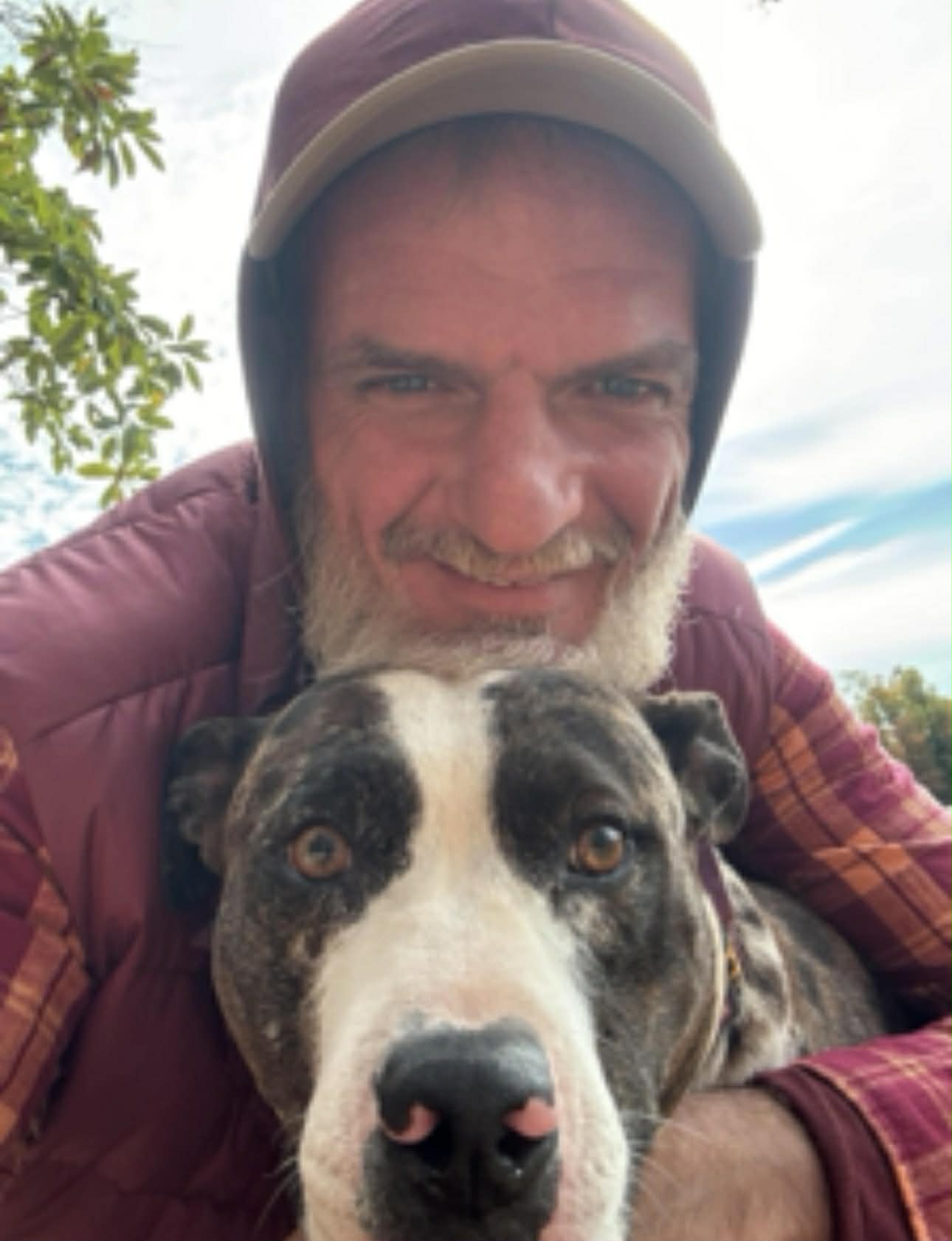
You already give your dog everything love can provide. VitalHound gives them what love alone cannot.

Contact

Begin the conversation.

Reaching out is the first step toward the version of your dog you haven't met yet. Send a note — a few lines about your dog, your neighborhood, and what you're hoping for. Every new relationship begins with a free consultation — no pressure, no obligation. Everything follows naturally from there.

Every message gets a personal reply.

Prefer to Text? (301) 693-3592

[email protected]

Follow on Facebook